Zcash2026-10-05 00:44:43Zcash registers lobbying team in Washington to engage on CLARITY Act and tax proposalsPrivacy coin project Zcash has registered a lobbying team in Washington, according to information cited by Techub News. The disclosure shows the group plans to lobby on the CLARITY Act as well as two digital asset tax proposals. The registration points to a more direct effort by Zcash to take part in the U.S. crypto policymaking process. Cointelegraph was cited as the source of the disclosed information. The move centers on policy engagement in Washington and highlights the project’s interest in legislative and tax issues tied to digital assets.120
Zcash2026-10-05 00:35:34Zcash advocacy group registers Washington lobbying effort focused on crypto bill and tax proposalsA Zcash-focused advocacy group has formally entered Washington’s lobbying system, adding a direct policy arm to the privacy coin’s push for representation in US digital asset debates. Pretty Good Policy for Zcash, or PGPZ, filed a lobbying registration effective Oct. 1 and listed executive director Divij Pandya as its only lobbyist. The filing names the Digital Asset Market Clarity Act, along with two digital asset tax proposals, as current and expected issues the group plans to work on. PGPZ launched in June and grew out of Pretty Good Policy for Crypto, an initiative started in 2022 by Electric Coin Co. Before the new registration, the broader policy effort had already held Washington policy roundtables and organized a congressional briefing on encryption technologies in 2023. The move signals a more formal attempt by the Zcash ecosystem to engage with lawmakers as policy choices around privacy-preserving digital cash continue to take shape. PGPZ founder and ZODL chief policy and regulatory officer Paul Brigner said the aim is to ensure Zcash has serious, organized and credible policy engagement in Washington. In August, Zcash Community Grants approved $750,000 to fund the group’s first year of work.110
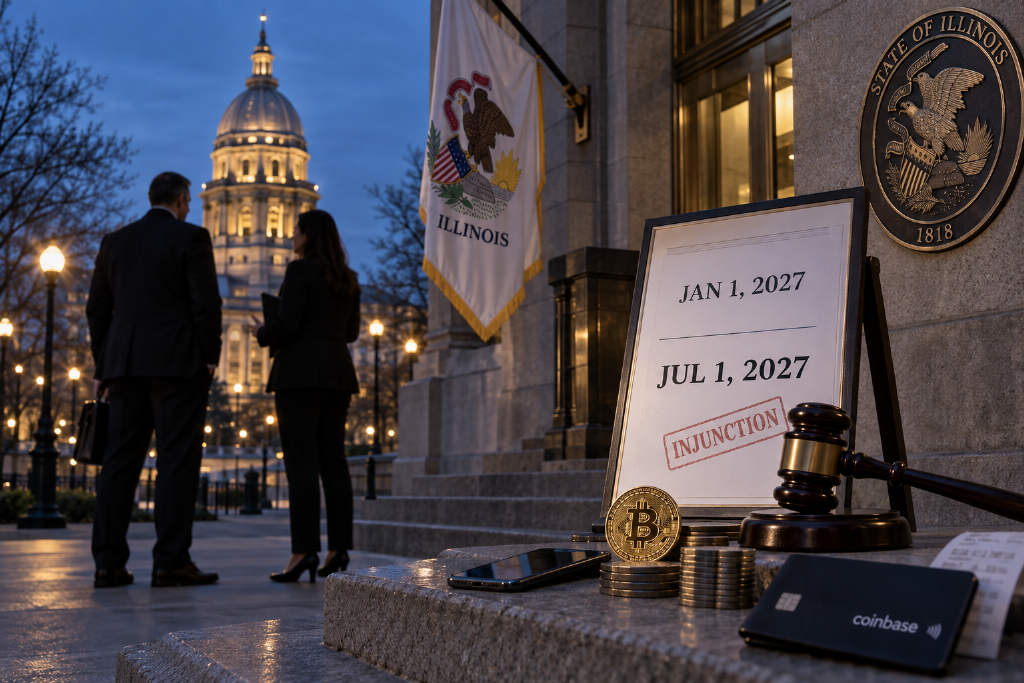
Illinois2026-10-01 16:16:03Illinois Moves to Delay Crypto Tax Until July 2027 Pending Court ApprovalIllinois officials have agreed to delay the start of the state’s Digital Asset Tax by six months, shifting the effective date from Jan. 1, 2027, to July 1, 2027, according to a joint motion filed in Sangamon County Circuit Court. The filing asks the court to preliminarily block the tax and pause enforcement until July, though the judge must still approve the request. The motion follows a lawsuit brought by The Digital Chamber and the Illinois Blockchain Association against Illinois Department of Revenue Director David Harris and Attorney General Kwame Raoul. The agreement does not end the case. The industry groups are still contesting whether the tax is constitutional and whether it can be enforced. Governor JB Pritzker signed the Digital Asset Tax Act in June as part of the state’s 2027 budget. The law would impose a 0.2% levy on crypto purchases and transfers in the state, with digital asset brokers, including major exchanges, responsible for collection. Lawmakers said the measure could raise as much as $60 million in 2027, while critics argue the tax applies too broadly and could affect users even when they have not realized gains.260
Illinois2026-09-30 04:29:28Illinois draft rules spell out crypto tax treatment for stablecoins, DeFi and bridgingIllinois tax officials have released draft rules that explain how the state’s already-enacted 0.2% digital asset transaction tax would apply across several parts of the crypto market, including stablecoins, DeFi activity, crypto bridging and some transfers to self-custody wallets. The proposal says stablecoins would count as taxable digital assets, while nonfungible tokens would sit outside the tax’s scope. It also draws lines around DeFi usage: transactions are generally exempt, but taxes could apply when users pay fees deemed "valuable consideration," such as protocol fees tied to operating or maintaining a platform. By contrast, network fees and swap fees paid only to liquidity providers would not trigger the tax. The draft also treats certain bridge transactions as taxable exchanges when a digital asset broker is involved for consideration, and says transfers from centralized exchanges to self-custody wallets could be taxed if the exchange charges a fee. Illinois passed the Digital Asset Tax Act in June despite opposition from crypto industry groups. The tax is set to take effect on Jan. 1, 2027, and the Illinois Department of Revenue said Monday it will accept public comments on the draft through Oct. 30.460
Illinois2026-09-30 04:42:02Illinois draft rules for 0.2% digital asset transaction tax would include stablecoinsIllinois’ Department of Revenue has released draft rules for the state’s enacted 0.2% tax on digital asset transactions, spelling out which crypto activities would fall inside or outside the tax base. The proposal says stablecoins would be treated as taxable digital assets, while non-fungible tokens would be excluded. The draft also draws lines around DeFi activity. DeFi transactions would generally be exempt, but fees paid by users that are deemed "valuable consideration" could still trigger the tax. That includes protocol fees used to operate or maintain a platform. By contrast, network fees and swap fees paid only to liquidity providers would not be taxed. The document says crosschain bridging conducted through a digital asset broker in exchange for consideration would count as a taxable exchange. It also says transfers from centralized exchanges to self-custody wallets could be taxed if the exchange charges a fee. The law was approved in June and is scheduled to take effect on Jan. 1, 2027. Illinois tax authorities are accepting public comments on the draft through Oct. 30, according to Cointelegraph.400
Illinois2026-09-30 04:42:51Illinois issues draft rules for its 0.2% digital asset transaction taxIllinois tax authorities have released draft rules for the state’s enacted 0.2% digital asset transaction tax, laying out how the levy would apply across several crypto activities. The draft says stablecoins would be treated as taxable digital assets, while non-fungible tokens, or NFTs, would fall outside the tax scope. The proposal also draws lines around decentralized finance activity. DeFi transactions would generally qualify for an exemption, but fees paid by users that are deemed "valuable consideration" could still trigger the tax. The draft gives protocol fees used to operate or maintain a platform as an example. By contrast, network fees and swap fees paid only to liquidity providers would not be taxed. The rules also say cross-chain bridging conducted through a digital asset broker and involving consideration would count as a taxable exchange. Transfers from centralized exchanges to self-custody wallets could also be taxed if the exchange charges a fee. The law was approved in June and is scheduled to take effect on Jan. 1, 2027. Illinois tax authorities are accepting public comments on the draft through Oct. 30, according to ChainCatcher.390
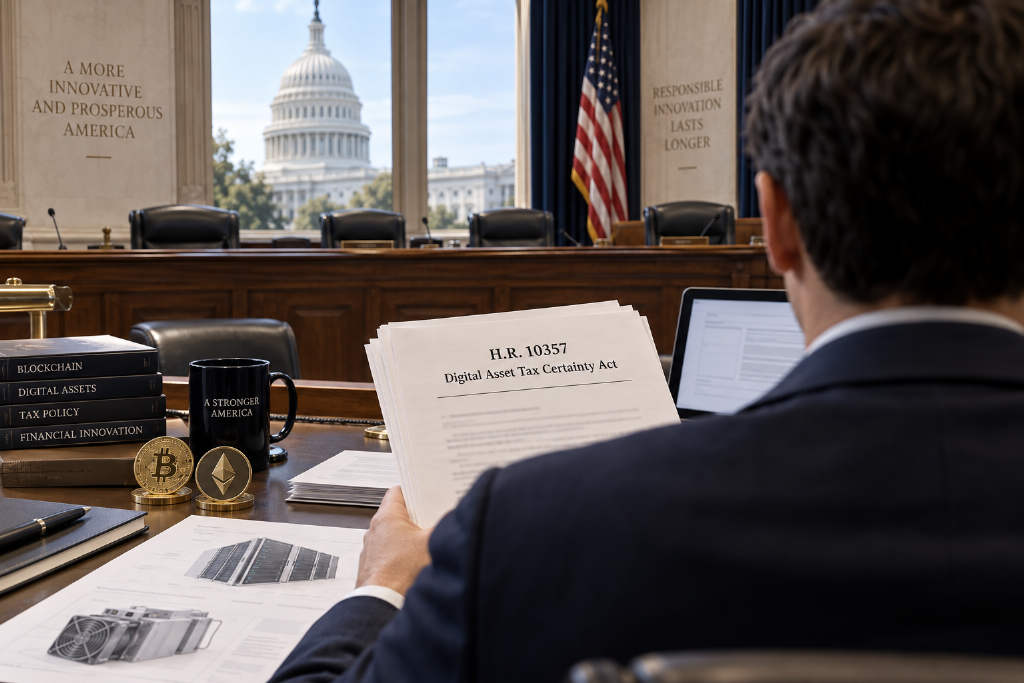
US House2026-09-15 07:43:51US House tax panel releases digital asset bill with sub-$10 fee exemption and staking deferral proposalJason Smith, chair of the U.S. House Ways and Means Committee, has released the 114-page Digital Asset Tax Clarity Act, H.R. 10357, setting up a committee markup for 10 a.m. on Sept. 16. The bill would exempt network or transaction fees below $10 from tax, though the relief would not apply to users who made more than 5,000 transfers in the prior year. A separate companion measure would bring digital assets under wash sale and constructive sale rules while excluding qualified U.S. dollar stablecoins, a change projected to raise $2.074 billion in revenue across fiscal years 2026 through 2036. The companion bill would also let miners and stakers defer income recognition on newly created tokens until sale, with an estimated 10-year fiscal cost of $2.956 billion. Republican members of the committee are considering removing that provision or capping the deferral period at five years.110
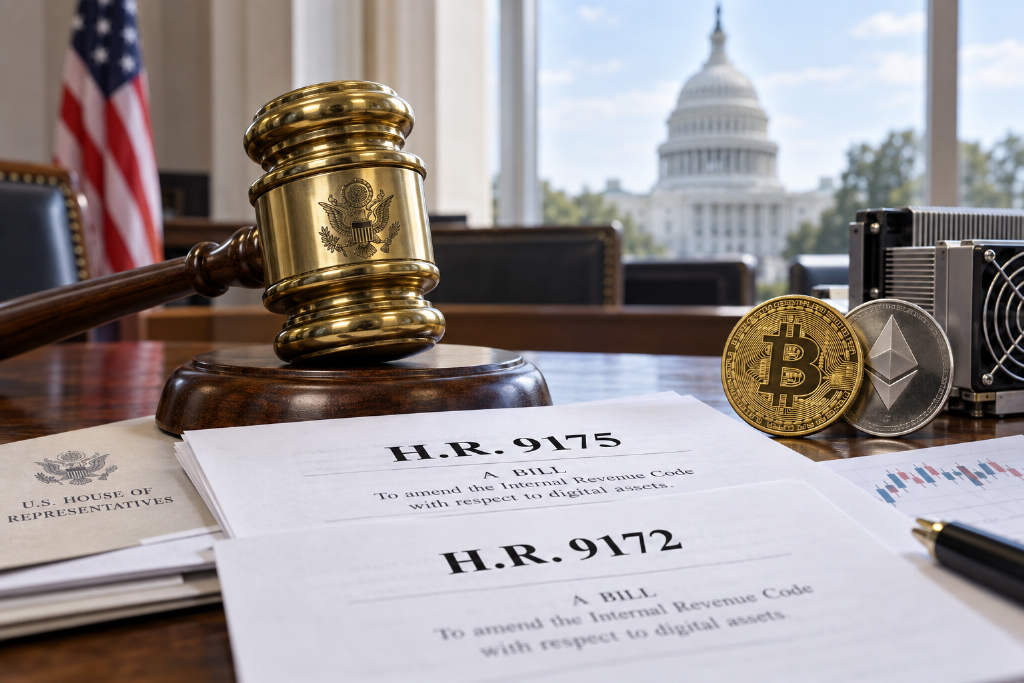
Policy Regula2026-09-12 13:58:15U.S. House committee to review two crypto tax bills on Sept. 16The U.S. House Ways and Means Committee is scheduled to review a package of digital asset tax legislation on Sept. 16, moving crypto tax measures closer to a full House vote. The discussion will center on two issues: when miners and stakers should be taxed on newly created tokens, and whether wash sale rules used for stocks should also apply to digital assets. Two bills are at the center of the review. H.R. 9175, the Mining and Staking Tax Fairness Act, would let miners and stakers defer taxation on newly received tokens until those assets are actually sold, at which point the income would be taxed as ordinary income. H.R. 9172, the bill applying existing anti-abuse tax rules to digital assets, would extend wash sale and constructive sale rules to actively traded digital assets. According to ChainCatcher, the measure is meant to close a tax loophole that crypto traders have used for years.890